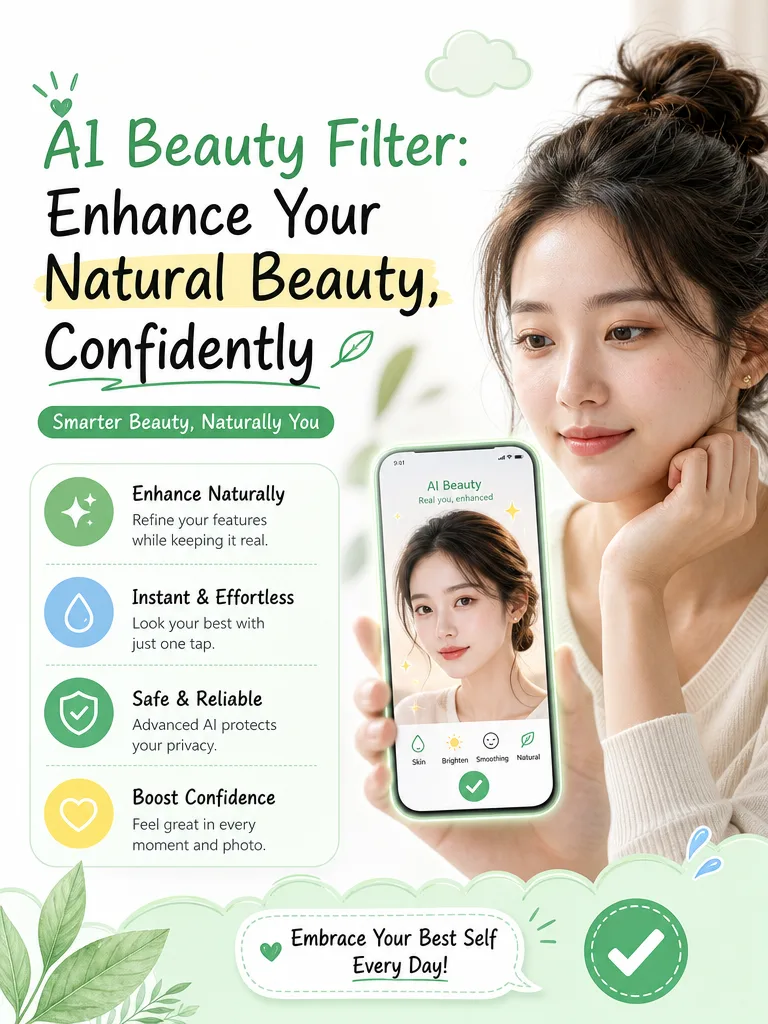
AI beauty filters and makeup templates are everywhere now, promising to make anyone look flawlessly polished in seconds. But as these tools become more powerful, they're also reshaping what we think beauty should look like—and whether we still recognize ourselves in the process.
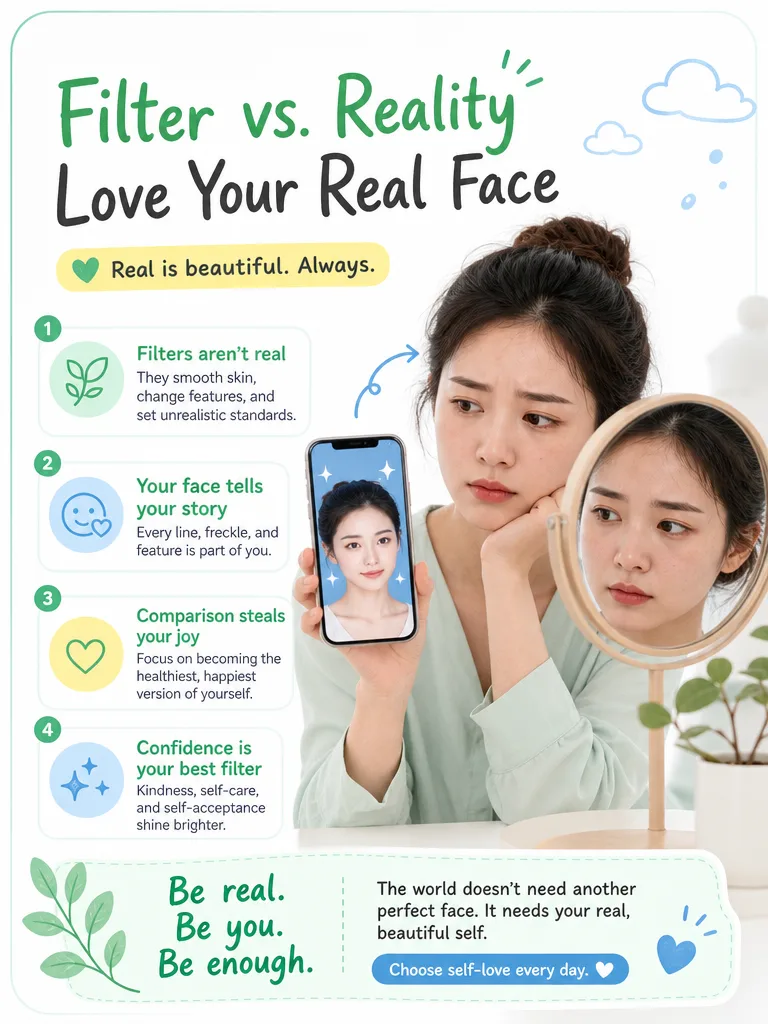
You've probably noticed how every filtered face looks strangely similar, or felt pressure to match an AI-perfect standard that isn't even real. The question is: how do we use these useful tools without losing our own individuality and accepting increasingly narrow beauty ideals?
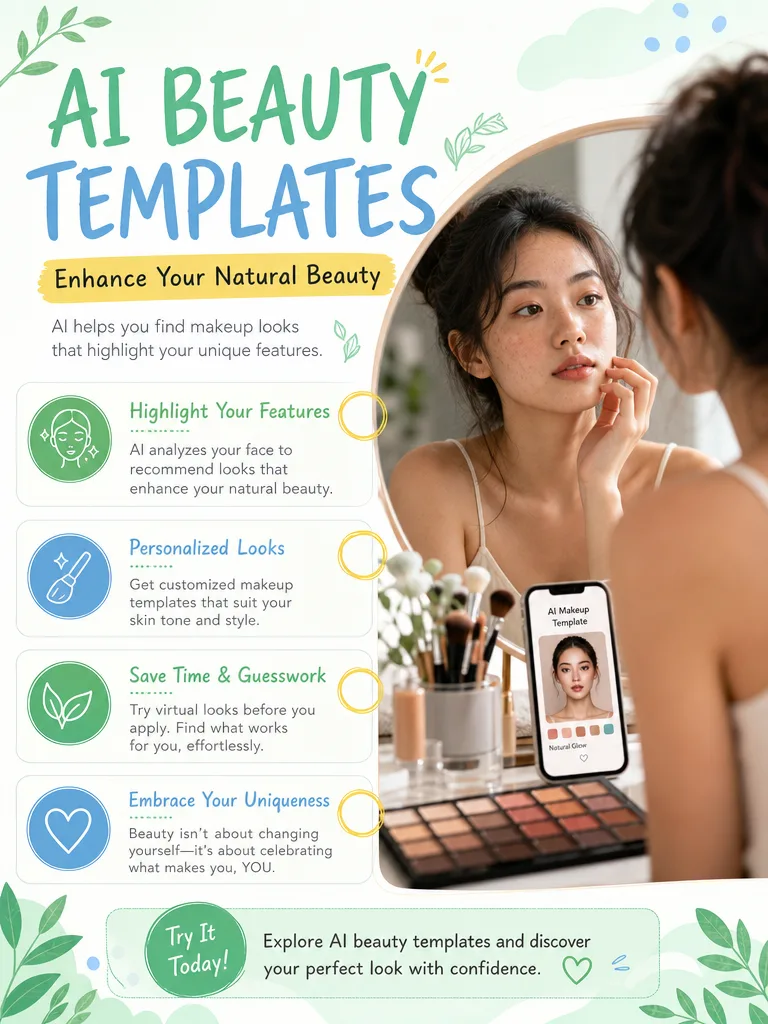
AI beauty technology has genuinely useful applications. Virtual try-on tools let you experiment with makeup colors and styles before buying. Face editing apps can help you explore creative looks. Makeup templates and tutorials powered by AI make beauty education faster and more accessible. The real issue isn't that these tools exist—it's how they're reshaping our perception of normal beauty. Platforms push standardized ideals: big eyes, smooth skin, sharp features, perfect symmetry. One trending look that used to take months to spread now goes viral in days. The danger is subtle but real: filters don't just make you look different;
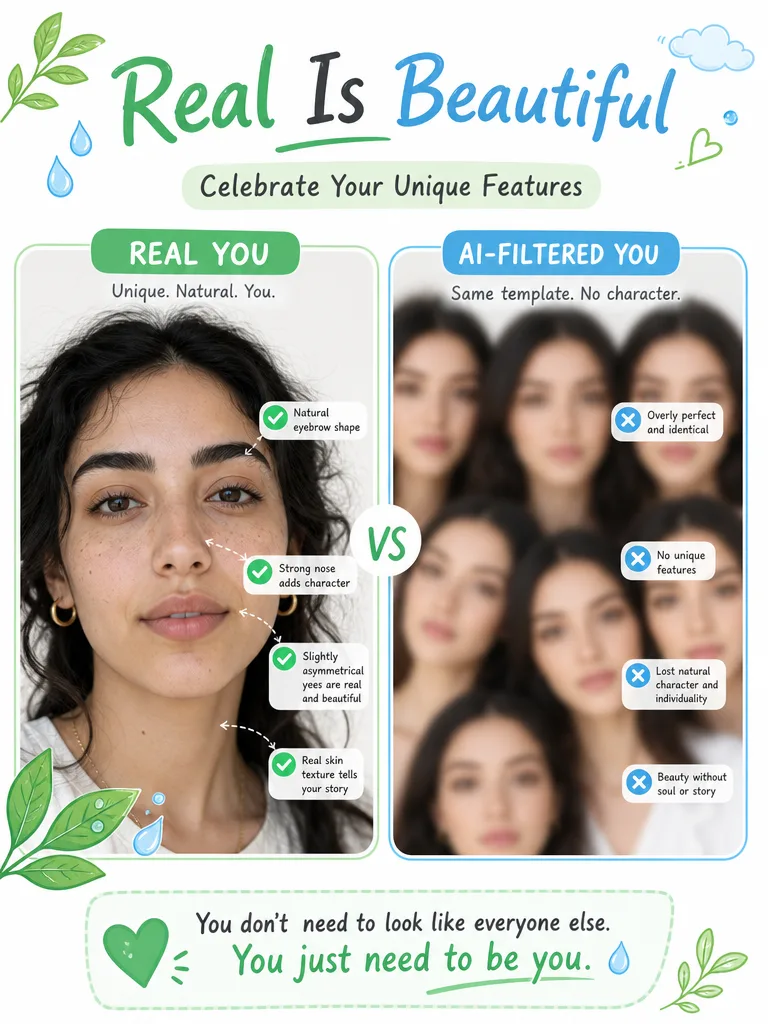
they make everyone look the same. Unique features get smoothed away into a single template. A girl with a strong nose, asymmetrical eyes, or textured skin sees filtered versions that erase those qualities and replaces them with someone else's ideal. This creates a new kind of beauty anxiety. You're comparing yourself not to real people, but to impossible, AI-generated standards. What starts as inspiration—a pretty eyeshadow color, a flattering eyeliner shape—can turn into self-doubt when the overall look feels unattainable. Here's the practical reality check: AI beauty works best when you use it as a tool for ideas, not as a blueprint for your face. Take inspiration from colors, textures, and techniques. Adapt them to your own eye shape, face structure, and personal style. A sophisticated makeup look doesn't need to look AI-perfect; it needs to look intentional and true to you. Natural skin texture, softer brows, and subtle editing often feel more refined and more memorable than over-processed perfection. Ask yourself this question before adopting a trend: do I actually like this look, or have I just been trained by the algorithm to like it? The answer matters. The best makeup look isn't one that makes you look like artificial intelligence.
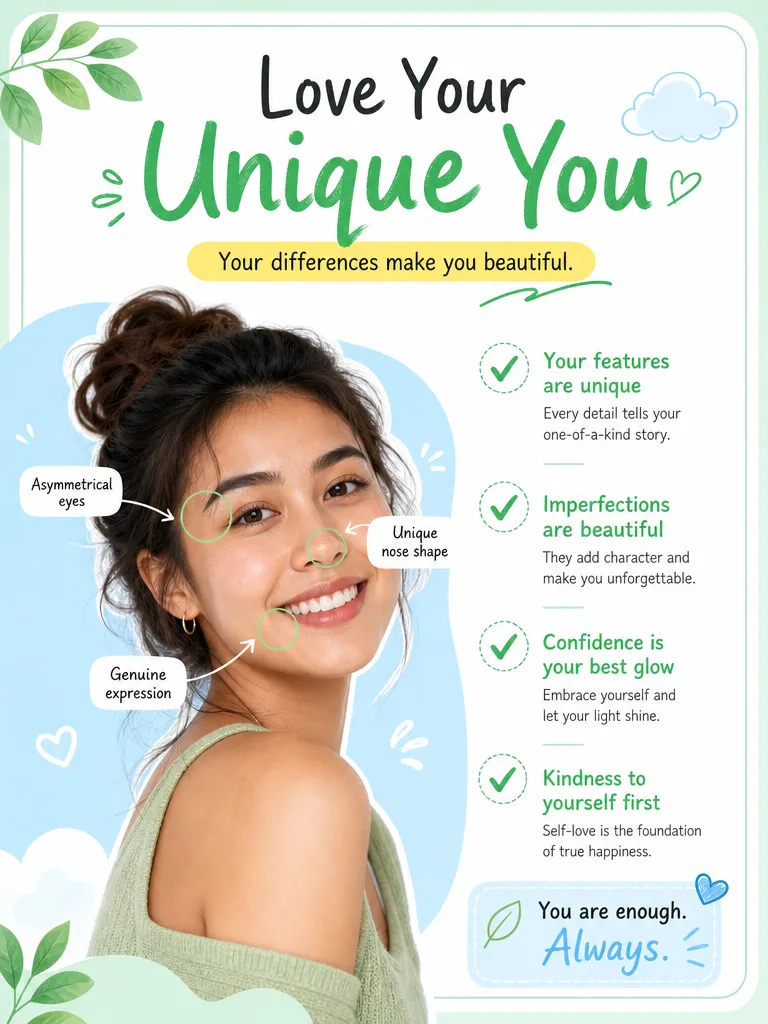
It's one that makes you look more like yourself—with personality, individuality, and recognizability. AI can help you discover ideas, and filters can be fun. But don't let them decide what beauty is supposed to look like.