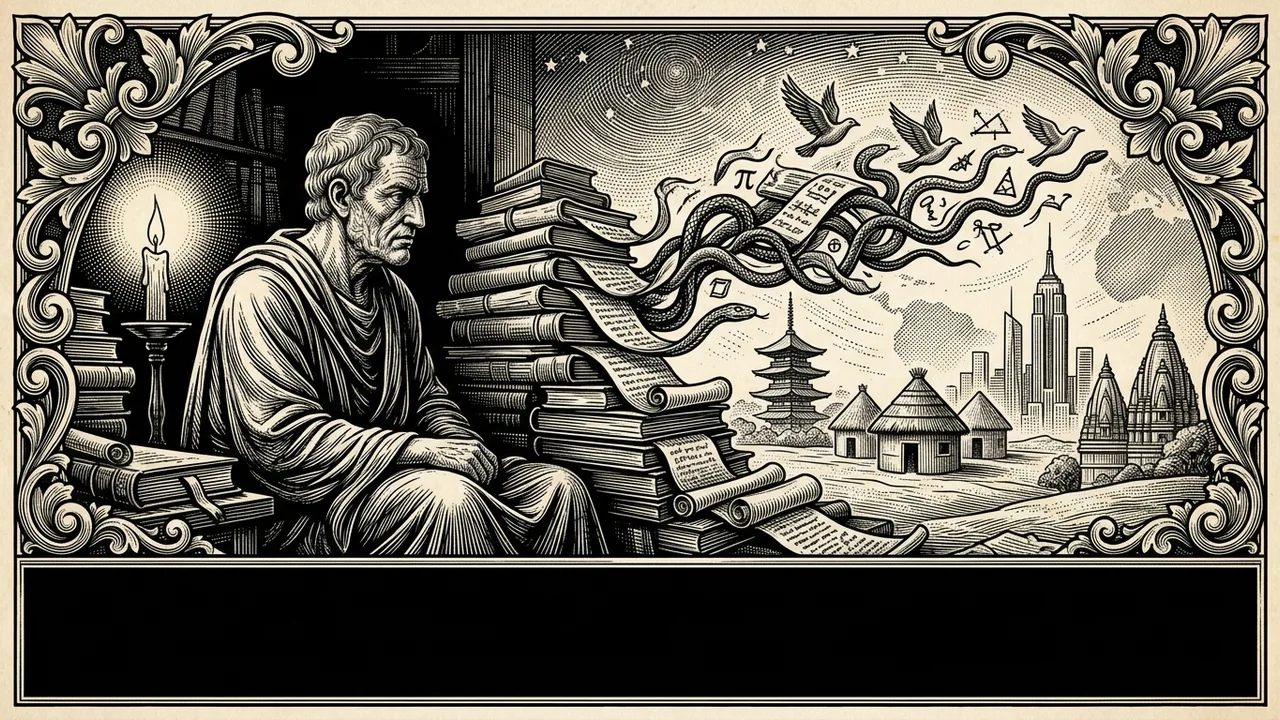
Have you ever wondered why stories written over two thousand years ago continue to shape how children learn about life and morality today? From the bustling streets of Tokyo to small villages in rural Africa, from modern classrooms in New York to ancient traditions in India, Aesop's Fables remain a cornerstone of global education and entertainment.
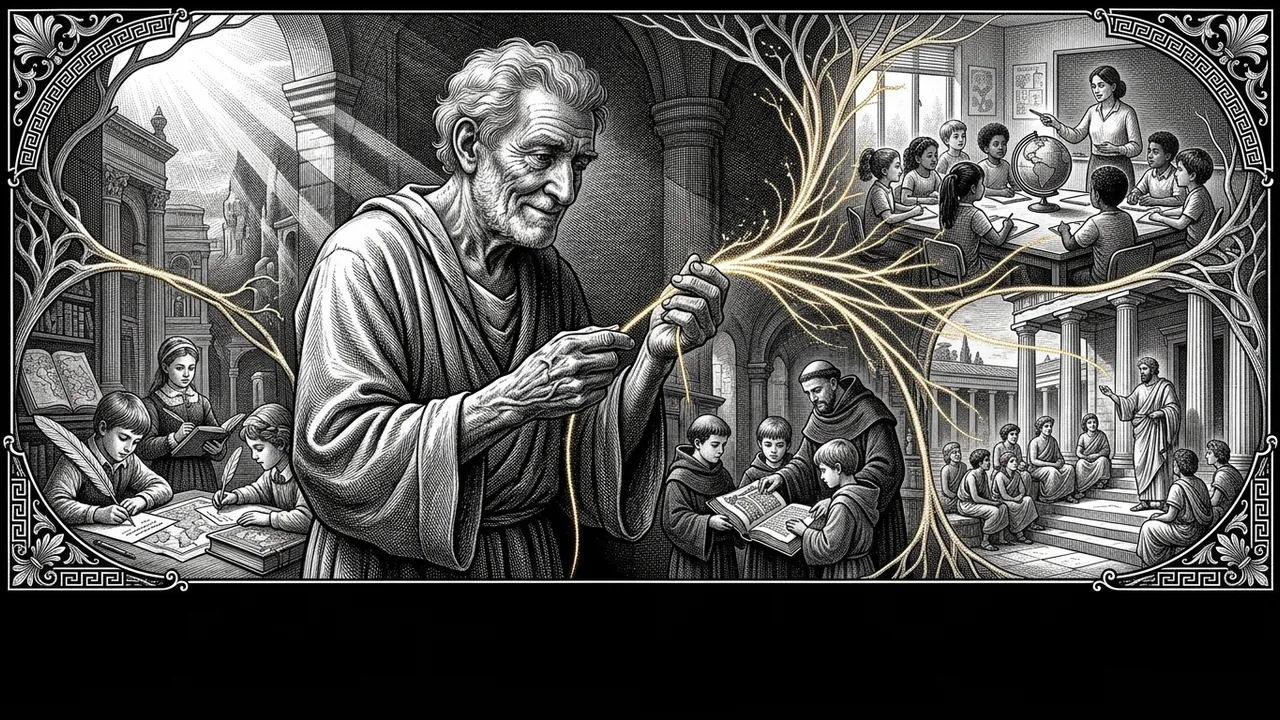
These simple yet profound tales have transcended centuries, cultures, and languages, making them one of the most universally recognized and beloved collections of literature ever created. But what makes these ancient stories so remarkably enduring? Why do parents, educators, and storytellers across the world still turn to Aesop when they want to teach meaningful lessons? The answer lies deeper than you might think, and understanding it can reveal fundamental truths about human nature, learning, and the power of storytelling itself.

In today's fast-paced world, educators and parents face a significant challenge: how do we teach children important life lessons in a way that actually sticks? Modern children are bombarded with information, entertainment, and distractions from every direction.

Traditional lectures and direct moral instruction often fall flat, leading to disengaged students who struggle to internalize valuable lessons about honesty, hard work, cooperation, and perseverance. Furthermore, as our world becomes increasingly diverse and multicultural, finding educational materials that resonate across different cultures and belief systems has become more important than ever. Teachers need stories that transcend cultural boundaries while still delivering universal truths. Parents want their children to develop critical thinking skills and emotional intelligence, not just memorize facts. Additionally, in an age of screens and rapid consumption, there's a growing hunger for content that has substance and depth, narratives that reward careful thought and reflection rather than mindless scrolling. Aesop's Fables solve these challenges through their remarkable structural simplicity combined with profound philosophical depth.
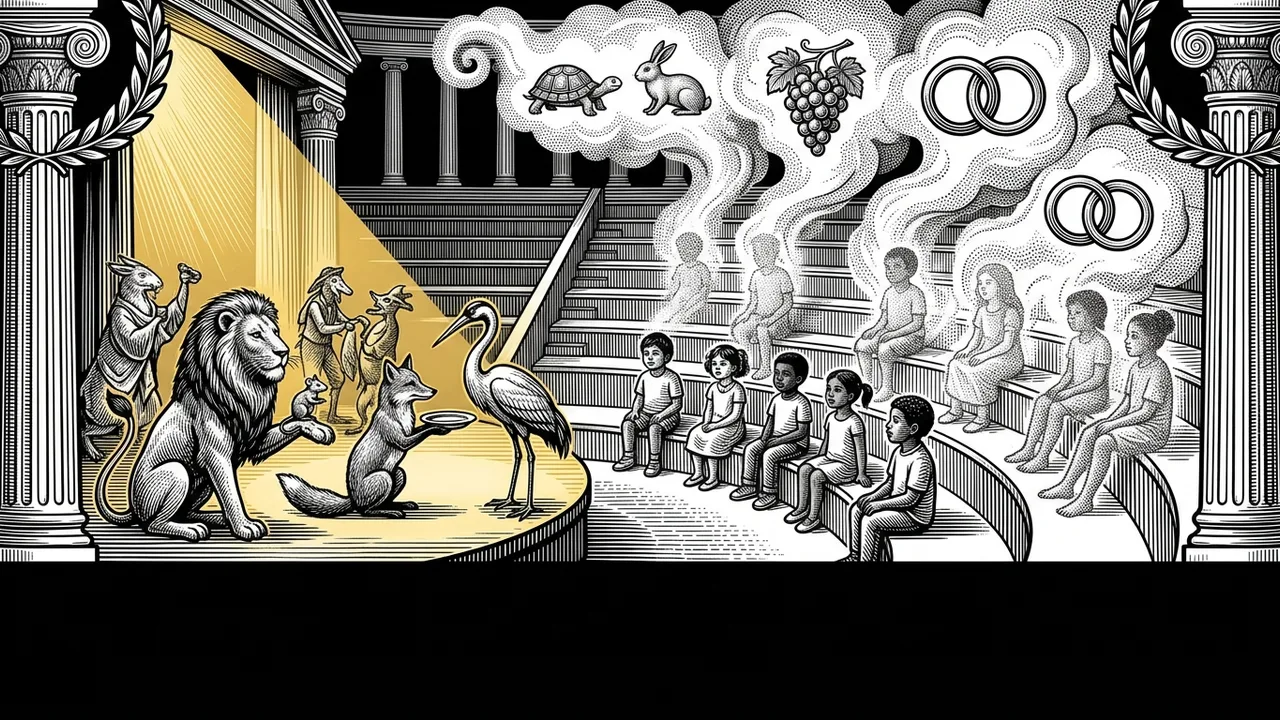
Each fable is a short, memorable narrative that captures and holds attention—perfect for today's audiences while demanding nothing more than a few minutes of engagement. The genius of Aesop lies in his method of teaching through story rather than lecture. By embedding moral lessons within compelling narratives featuring animal characters, Aesop makes abstract concepts concrete and relatable.
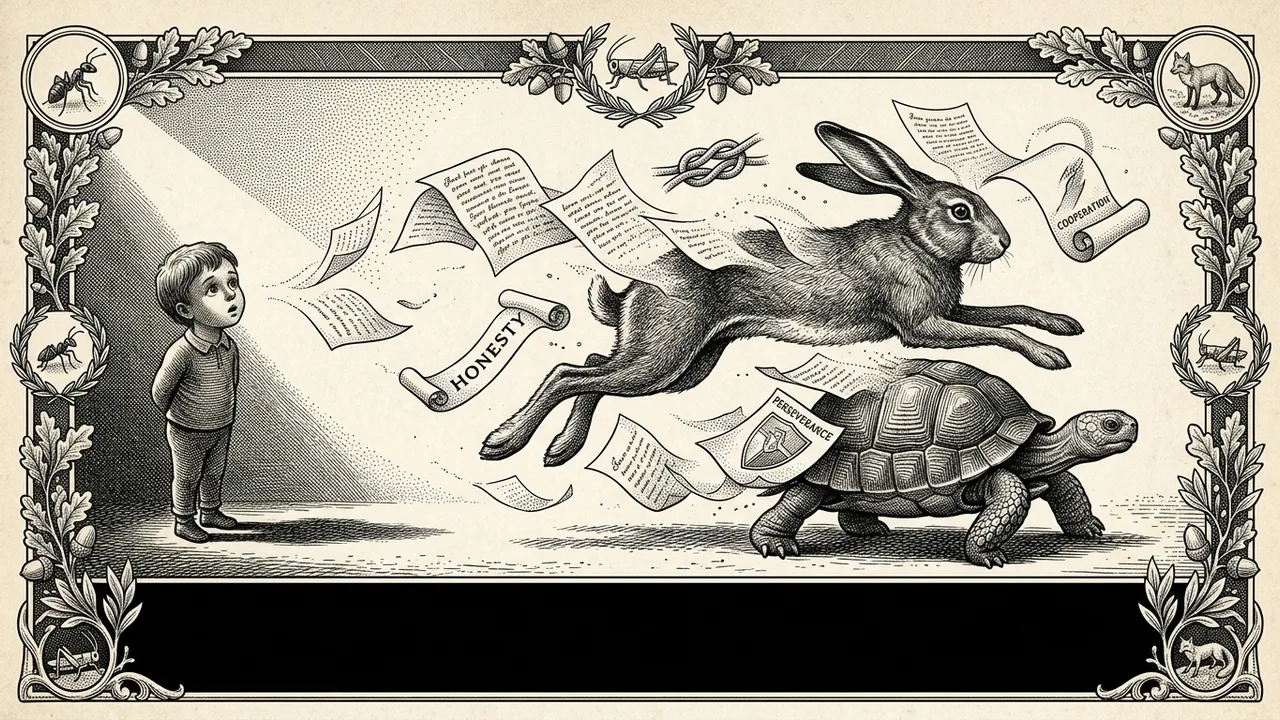
Children see themselves in these stories, understanding that the lessons apply to their own lives, which dramatically increases retention and real-world application. The use of animals as protagonists is particularly powerful because it creates emotional distance that allows listeners to reflect objectively on behavior without feeling judged. A child can learn about the dangers of arrogance through the tale of the proud peacock without feeling personally attacked. Moreover, these fables are inherently multicultural. The tales don't preach specific religious doctrines or cultural practices; instead, they focus on universal human experiences and values that transcend geography and belief systems. This universality explains why Aesop's Fables have been adapted, translated, and retold across virtually every culture on Earth. The brevity of each fable also makes them ideal for modern attention spans and busy schedules. A parent can share a complete story in five minutes, a teacher can use one to start a class discussion, and a child can remember and retell the narrative to friends. Furthermore, the openness of interpretation in Aesop's stories encourages critical thinking. Rather than providing explicit answers, the fables invite readers to draw their own conclusions and apply lessons to their specific circumstances. This interactive element transforms passive consumption into active learning, creating deeper engagement and understanding than more didactic approaches could achieve. To harness the power of Aesop's Fables in your own life or educational practice, consider starting with a systematic approach.
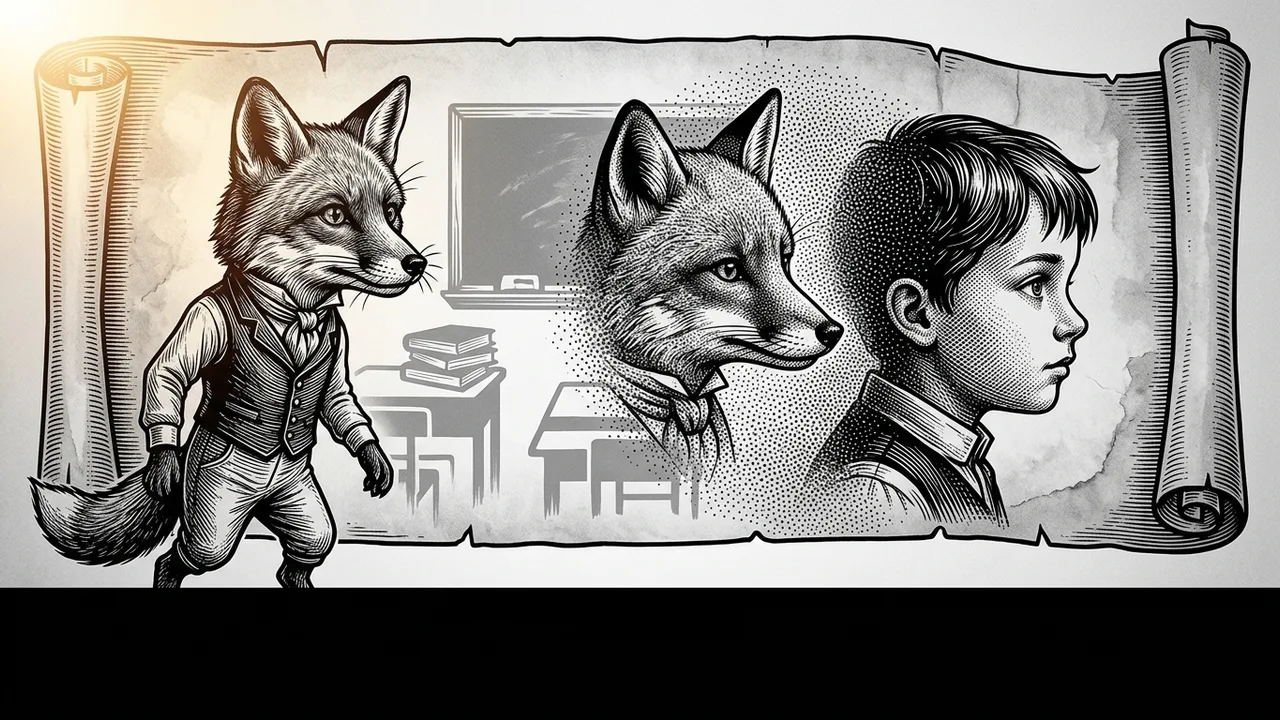
Select three to five fables that align with specific values or challenges you want to address—whether teaching children about perseverance, honesty, or teamwork. Read each fable aloud with expression and enthusiasm, allowing the narrative to come alive. After each story, engage in thoughtful discussion rather than immediately stating the moral. Ask questions like 'What did you notice about the character's choices? ' or 'How might this story apply to situations you experience?
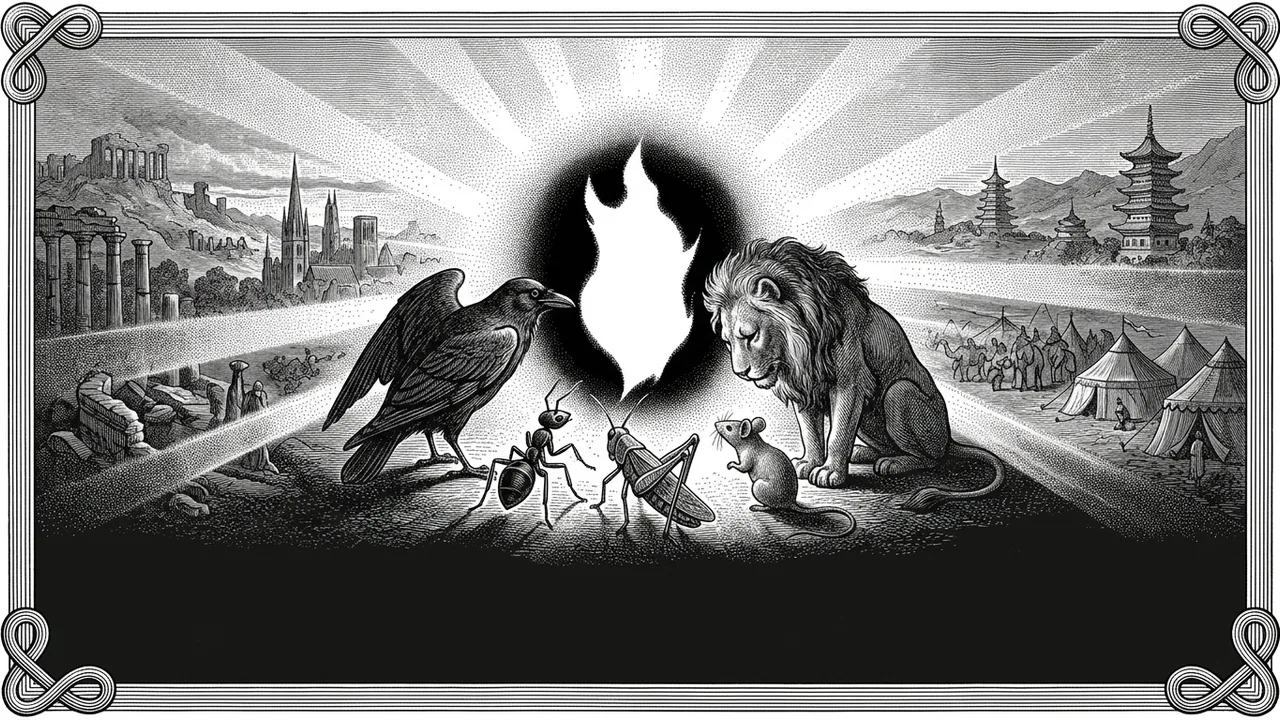
' This approach transforms a simple read into a rich learning experience. You might also explore how different cultures have adapted and reinterpreted these ancient tales, discovering how universal themes take on unique cultural expressions. If you're an educator, integrate one fable per week into your curriculum, using it as a springboard for writing exercises, artistic projects, or ethical discussions. Document which stories resonate most deeply with your students and why, building a personalized collection that works for your specific context. By engaging seriously with these timeless narratives, you unlock their full potential to educate, inspire, and transform how we understand human nature and morality across generations.