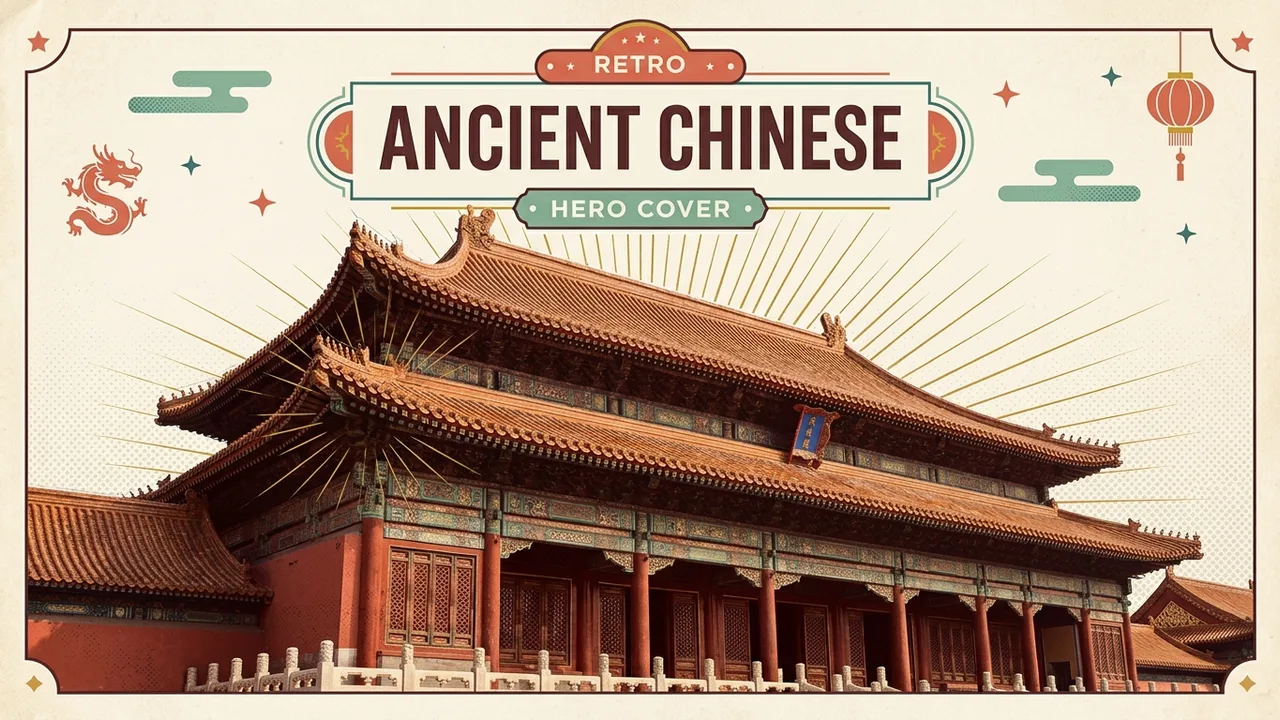
Have you ever wondered how ancient Chinese buildings stood tall and majestic for centuries without modern construction techniques? The answer lies not in nails or concrete, but in an ingenious wooden bracket system called Dougong.
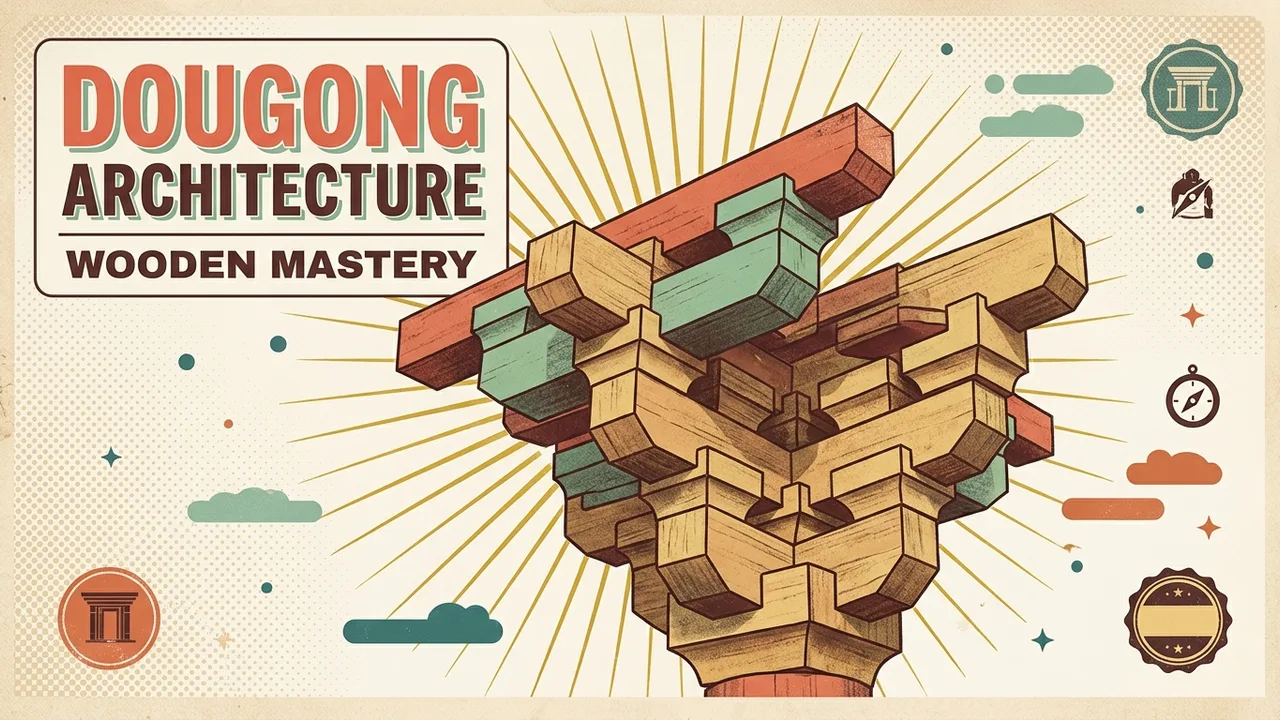
This remarkable architectural innovation represents one of the greatest engineering achievements in human history, combining mathematical precision with artistic beauty. Today, we're going to explore the fascinating world of Dougong and discover how this ancient Chinese invention revolutionized building construction and continues to captivate architects and engineers worldwide.
Throughout history, architects and builders faced a critical challenge: how to distribute the enormous weight of heavy roof structures across wooden pillars without the structure collapsing under its own burden. Traditional stacking methods simply wouldn't work, as the concentrated pressure would eventually crush the wooden columns supporting the building.

Additionally, buildings needed to withstand natural disasters including earthquakes and strong winds, which required flexible yet stable construction systems. Without an effective solution, wooden architecture would remain limited to small, low structures with minimal roof overhangs. The problem became even more complex when considering the aesthetic demands of ancient Chinese architecture, which required sweeping, dramatic roofs that extended far beyond the main walls. These roofs weren't just decorative—they served crucial protective functions, shielding the buildings from harsh weather conditions. For centuries, architects struggled to balance structural integrity, architectural ambition, and construction practicality until the revolutionary Dougong system emerged to solve these interconnected challenges. Dougong, literally meaning 'block and bracket,' is a sophisticated wooden framework consisting of interlocking blocks and beams that function as a space-bearing system.

Rather than placing the roof's weight directly onto vertical columns, Dougong distributes this load across multiple layers of stacked wooden elements that fan outward like a hand opening. The system works through a series of precisely cut wooden blocks, called 'dou' or blocks, alternating with arm-like extensions called 'gong' or brackets.

These components are stacked in specific geometric patterns, creating a pyramid-like structure that grows progressively wider as it ascends. The brilliance of this system lies in its ability to translate vertical pressure into horizontal distribution, essentially transforming the concentrated downward force of an extremely heavy roof into manageable stress distributed across a much wider area. Dougong serves multiple critical functions within traditional Chinese architecture. First, it dramatically extends the roof overhang far beyond what would be structurally possible with direct support, allowing for the characteristic sweeping roofs that define classical Chinese buildings. Second, it provides exceptional flexibility and shock absorption, which proved crucial for earthquake resistance in regions prone to seismic activity. When earthquakes occur, the interlocking wooden pieces can shift and adjust slightly without causing structural failure, absorbing and dissipating energy rather than transmitting it rigidly through the building. Third, Dougong creates interior spaces that remain completely free from supporting columns, maximizing usable floor area and allowing for the open, flexible interior designs that were essential to Chinese architectural traditions. Fourth, the system enables consistent construction principles that could be scaled up or down, creating a universal building standard that allowed artisans and builders across different regions to construct buildings with remarkable consistency and reliability. To deepen your understanding of traditional Chinese architecture and its ingenious engineering principles, we encourage you to visit local museums or heritage sites that showcase authentic Dougong systems and classical Chinese buildings.
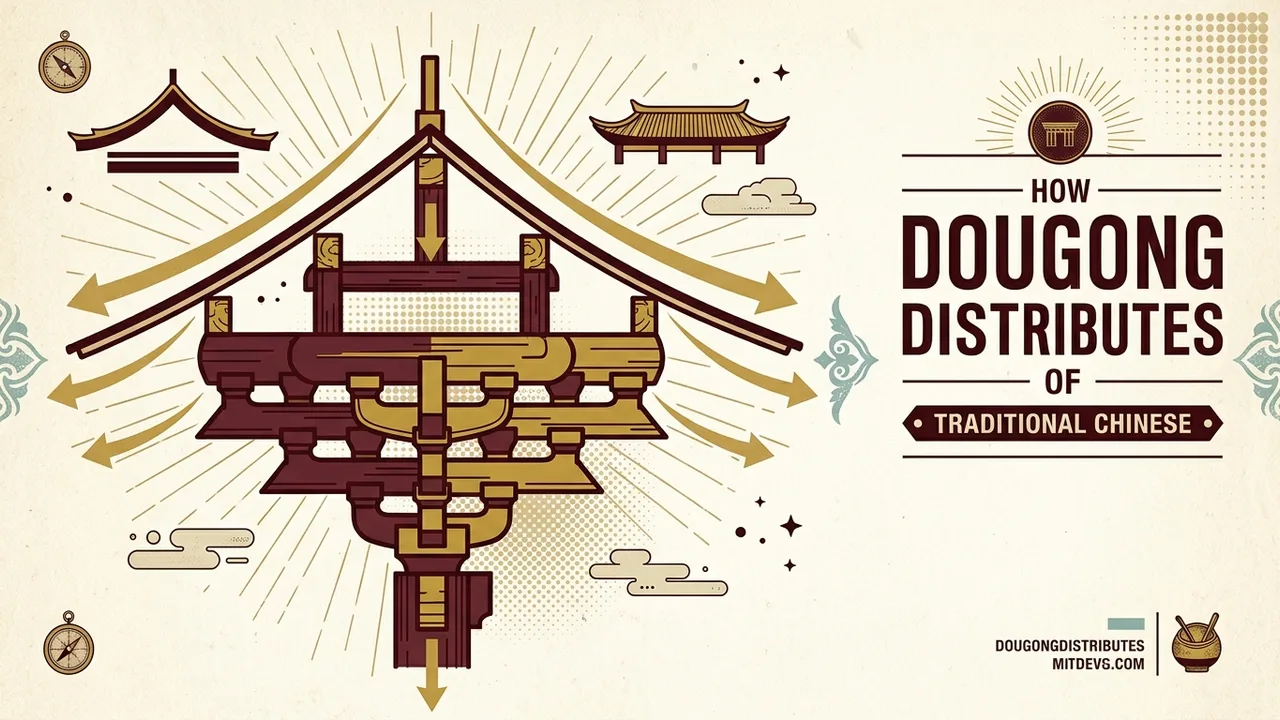
Study detailed architectural diagrams and models of Dougong construction to appreciate the mathematical precision and engineering brilliance involved. If you're an architecture student or professional, consider researching how contemporary architects are incorporating Dougong principles into modern sustainable design.

For those interested in cultural heritage preservation, explore opportunities to participate in restoration projects that maintain these irreplaceable structures for future generations. Additionally, consult academic resources and architectural historians who continue to unlock new insights about how ancient builders achieved such remarkable structural feats. By engaging with this knowledge, you'll gain profound respect for the ingenuity of ancient Chinese civilization and discover timeless principles of engineering that remain relevant to modern construction challenges.