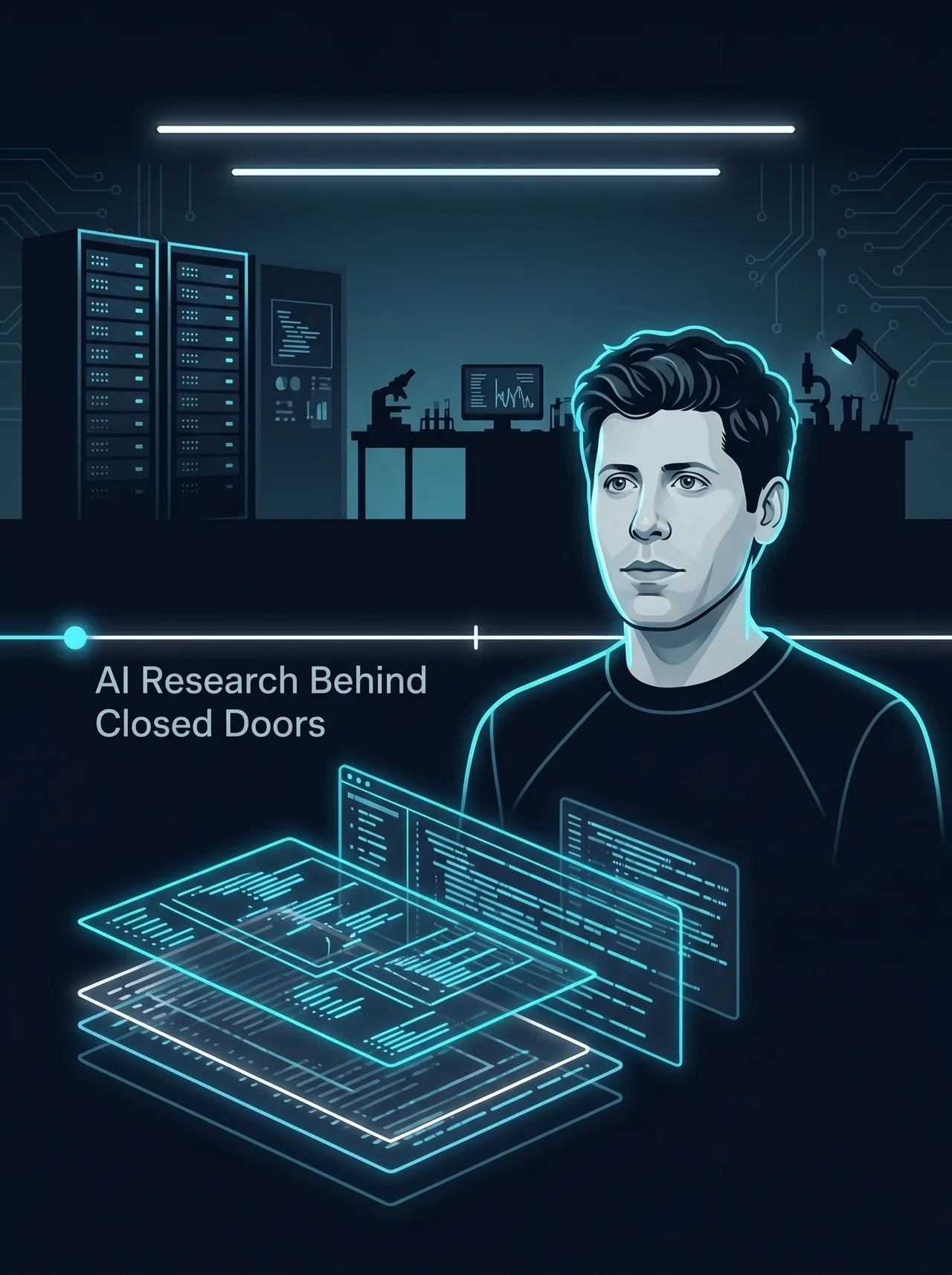
When we think about artificial intelligence today, we often picture complex algorithms and cutting-edge research happening behind closed doors in elite laboratories. But what if I told you that the real revolution isn't about building better AI models—it's about getting AI into the hands of everyday people? That's exactly what Sam Altman has done. From his early days as a teenage entrepreneur to his current role as CEO of OpenAI, Altman has consistently demonstrated one crucial skill: the ability to take groundbreaking technology and transform it into products that actually change how millions of people work and live. In this deep dive, we're going to explore how one person's vision reshaped the entire AI landscape and why his approach to AI productization matters far more than you might think. For decades, artificial intelligence remained trapped in a paradox. Researchers were making incredible breakthroughs—systems that could recognize images, understand language, and even beat humans at complex games. Yet, despite these innovations, AI felt distant and irrelevant to most people's daily lives. It was confined to research papers, academic conferences, and a few specialized applications in large corporations. The gap between what AI could do and what people could actually use was enormous. Before 2022, if you wanted to interact with advanced AI, you typically needed deep technical expertise. You had to understand APIs, programming languages, and complex integration processes. This barrier meant that AI's potential remained largely untapped in mainstream applications. Teachers couldn't easily use AI to enhance education, writers couldn't leverage AI to improve their craft, and small businesses couldn't access tools that should have been available to them. The real challenge wasn't whether AI could be intelligent—it was whether AI could be accessible. This is where Sam Altman's strategic vision becomes essential. His fundamental insight was that the missing link wasn't better technology; it was better product design and distribution. Sam Altman's approach to AI productization fundamentally changed the game by focusing on three critical pillars. First, he prioritized simplicity and accessibility. When ChatGPT launched, it wasn't marketed as a technical tool for engineers—it was designed as a conversational interface that anyone could use. You didn't need to understand machine learning; you just needed to type a question or prompt. This design philosophy reduced the barrier to entry from months of learning to seconds of trying. Second, Altman understood the power of platform economics. By creating the OpenAI API, he didn't just sell a product—he created an entire ecosystem where developers, companies, and entrepreneurs could build their own AI applications. This multiplier effect meant that one breakthrough model could power thousands of different use cases. Third, he strategically expanded beyond just text. The evolution to multimodal capabilities—text, images, voice, and video—reflected a deep understanding that different users have different needs, and a truly transformative platform must meet people wherever they are. The result is remarkable. ChatGPT reached 100 million users in just two months, making it the fastest-growing consumer application in history. But the real impact extends far beyond user numbers. OpenAI's approach has fundamentally reset expectations about what AI should be: intuitive, powerful, and available to everyone. This has triggered a cascade effect across the entire industry. Companies like Google, Microsoft, and countless startups have shifted their focus toward user-friendly AI products. Educational institutions are rethinking how they teach critical thinking and writing. Enterprises are reimagining workflows that were previously considered fixed and unchangeable. The transformation isn't just technological—it's cultural. If you're interested in understanding how AI is reshaping industries and want to apply these insights to your own work, here are your next steps. Start by experimenting with AI tools yourself—whether it's ChatGPT, image generation, or other emerging platforms. Don't just observe from the sidelines; get hands-on experience. Second, think about your own domain.
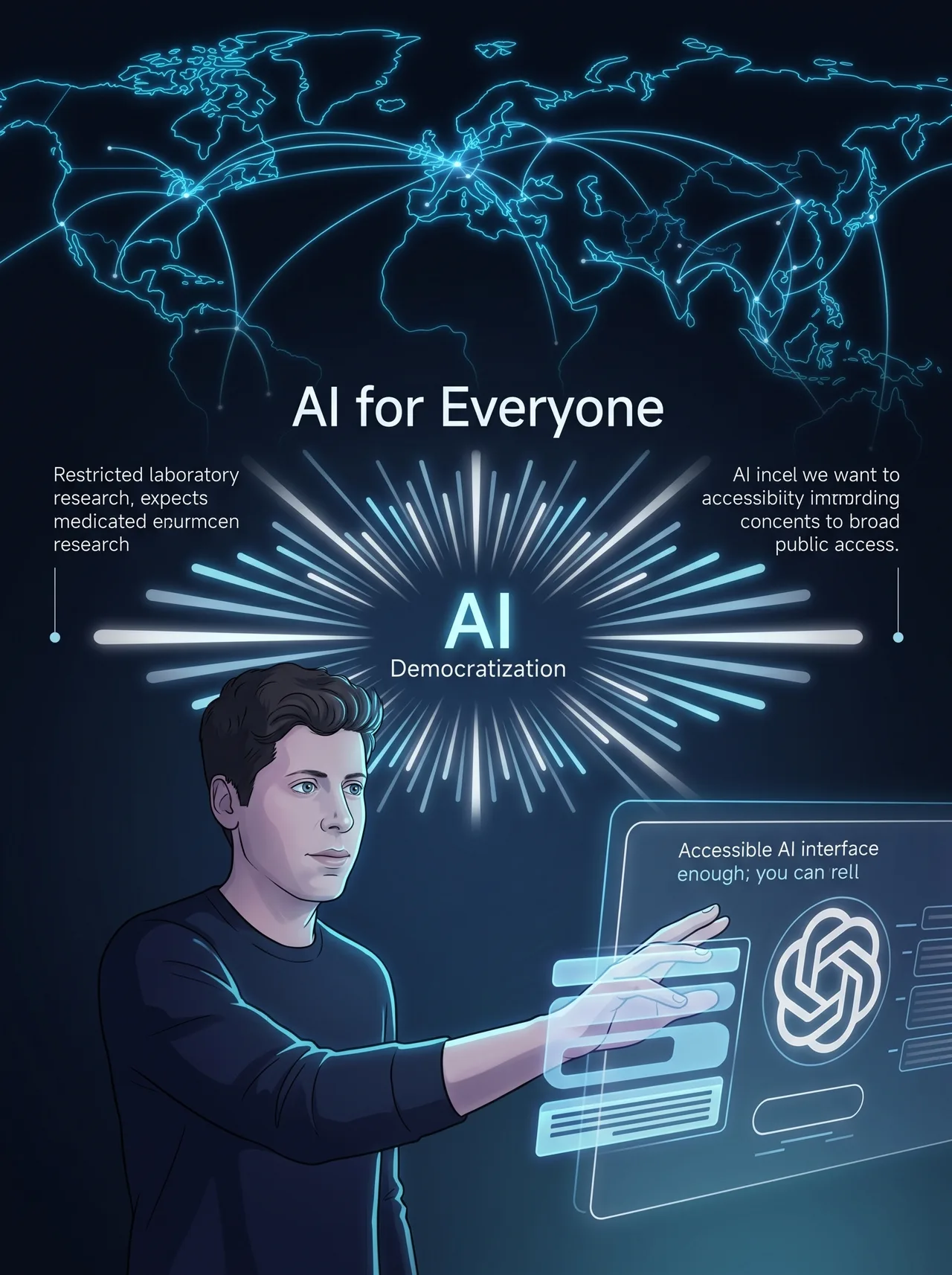
Whether you're in education, business, creative work, or any other field, consider where accessibility and thoughtful product design could unlock AI's potential in your space. Finally, study how successful AI products are designed. Look at what makes them intuitive, what barriers they remove, and how they create ecosystems that let others build on top of their foundation. Understanding Sam Altman's philosophy—that transformative technology requires thoughtful productization, not just innovation—is essential knowledge for anyone wanting to thrive in the AI era. The future belongs not just to those who build AI, but to those who know how to bring it to the world.